Postpartum uterine health: calving hygiene as reproductive management
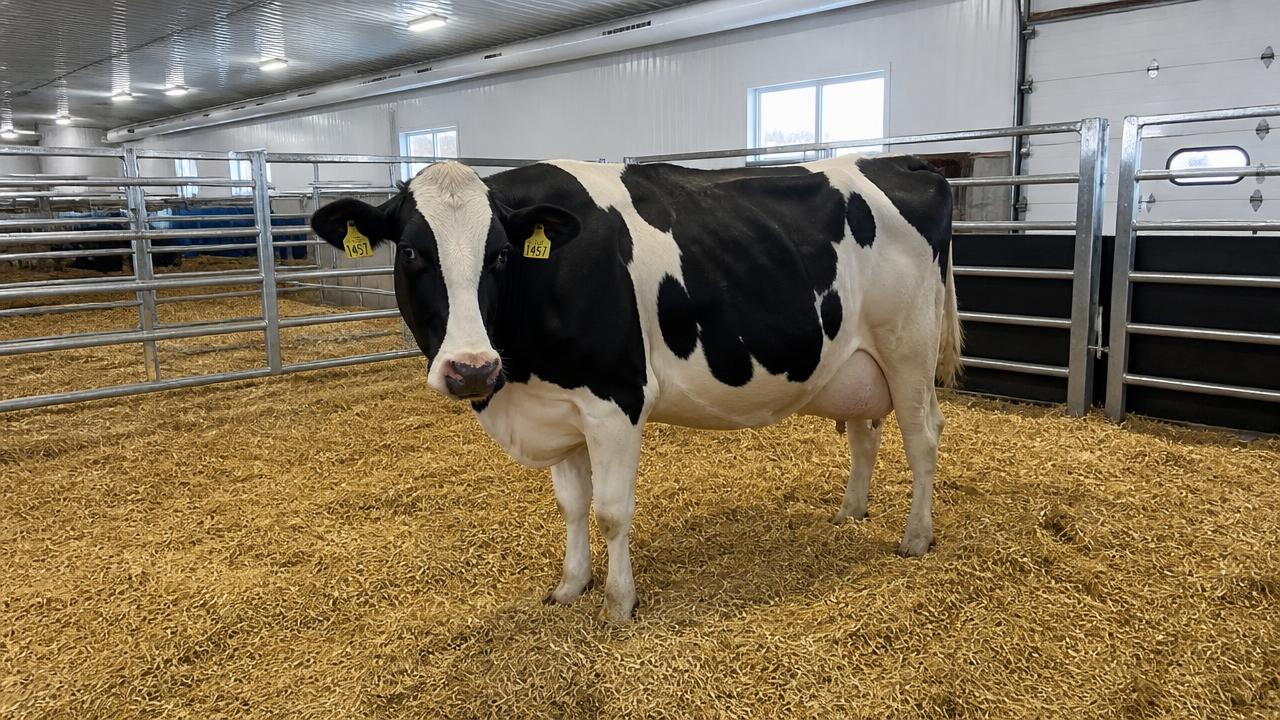
Uterine health after calving is largely determined before calving — by intake, calving-pen hygiene and the discipline of when not to intervene. What the evidence says about protecting fertility through management.
Bouvera Dairy Digest covers preventative herd management only. Nothing here is veterinary advice: diagnosis, treatment and medicine decisions belong with your own herd veterinarian.
Sheldon et al. (2006) gave the field consistent definitions for postpartum uterine disease, and LeBlanc (2008) quantified what it costs a herd in reproductive performance. Both point management in the same direction: uterine health is protected in the days around calving, by hygiene and by restraint.
The calving pen is a maternity ward
- Bedding cleaned out and replaced between calvings wherever throughput allows, and topped up daily where it does not.
- Enough space that a calving cow is not moved off her chosen spot by pen-mates — roughly 10–14 m² per calving cow.
- Clean equipment and clean arms as a non-negotiable, with disposable sleeves available at the pen, not in an office.
- Good light and a clear line of sight, so observation does not require disturbing the cow.
Knowing when not to intervene
Schuenemann et al. (2011) established practical reference times for the stages of calving in Holsteins, and the operational value of that work is mostly in preventing premature intervention. Early, forceful assistance causes trauma that later shows up as delayed uterine involution and reduced fertility. A written, trained protocol — with defined observation intervals and a defined point at which the veterinarian is called — protects both the cow and the staff member who has to make the call at 03:00.
Risk is visible before calving
Because Huzzey et al. (2007) showed that reduced prepartum feeding time predicts metritis risk, the close-up pen is functionally part of the reproductive programme. Every management factor that protects prepartum intake — bunk space, stocking density, feed access, avoiding late pen moves — is also a uterine-health intervention.
Measure fertility as a health outcome
Track calving-to-first-service interval, first-service conception rate and the proportion of cows recorded with postpartum problems, grouped by parity and by calving month. Reviewed quarterly with your veterinarian, these figures tell you whether calving management is improving. Diagnosis of any individual cow, and any treatment, stays a veterinary decision.
- Sheldon, I. M., Lewis, G. S., LeBlanc, S., & Gilbert, R. O. (2006). Defining postpartum uterine disease in cattle. Theriogenology, 65(8), 1516–1530. https://doi.org/10.1016/j.theriogenology.2005.08.021
- LeBlanc, S. J. (2008). Postpartum uterine disease and dairy herd reproductive performance: A review. The Veterinary Journal, 176(1), 102–114. https://doi.org/10.1016/j.tvjl.2007.12.019
- Schuenemann, G. M., Nieto, I., Bas, S., Galvão, K. N., & Workman, J. (2011). Assessment of calving progress and reference times for obstetric intervention during dystocia in Holstein dairy cows. Journal of Dairy Science, 94(11), 5494–5501. https://doi.org/10.3168/jds.2011-4436
- Huzzey, J. M., Veira, D. M., Weary, D. M., & von Keyserlingk, M. A. G. (2007). Prepartum behavior and dry matter intake identify dairy cows at risk for metritis. Journal of Dairy Science, 90(7), 3220–3233. https://doi.org/10.3168/jds.2006-807