
Professional & scientific writing on modern dairy.
Bouvera Dairy Digest is a working journal of dairy practice — reviewing evidence, sharing on-farm protocols and translating research into decisions herd managers can act on.
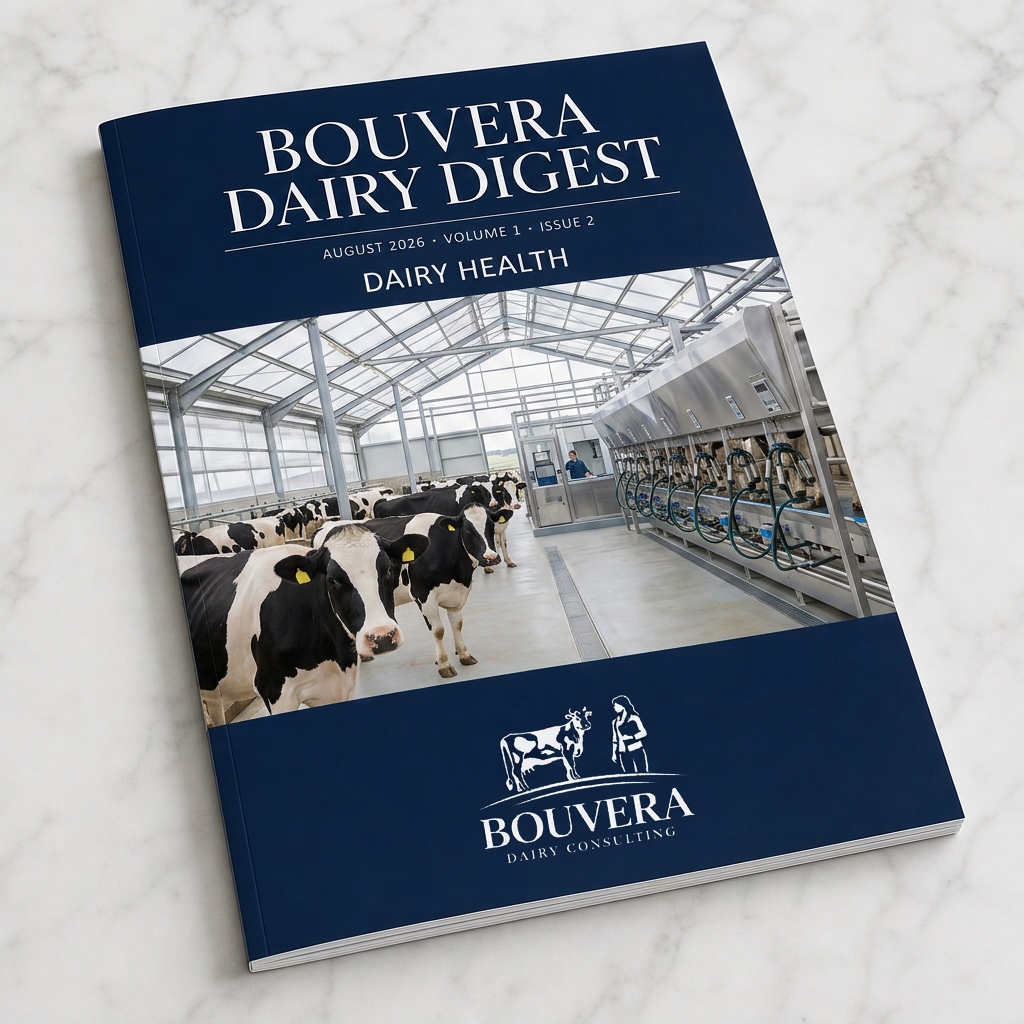
Udder health by design: building a herd that resists mastitis
Mastitis prevention has not changed direction since the Five Point Plan of 1969 — it has simply become measurable. A practical review of milking routine, environment and dry-period management as the three levers that decide a herd's somatic cell count.
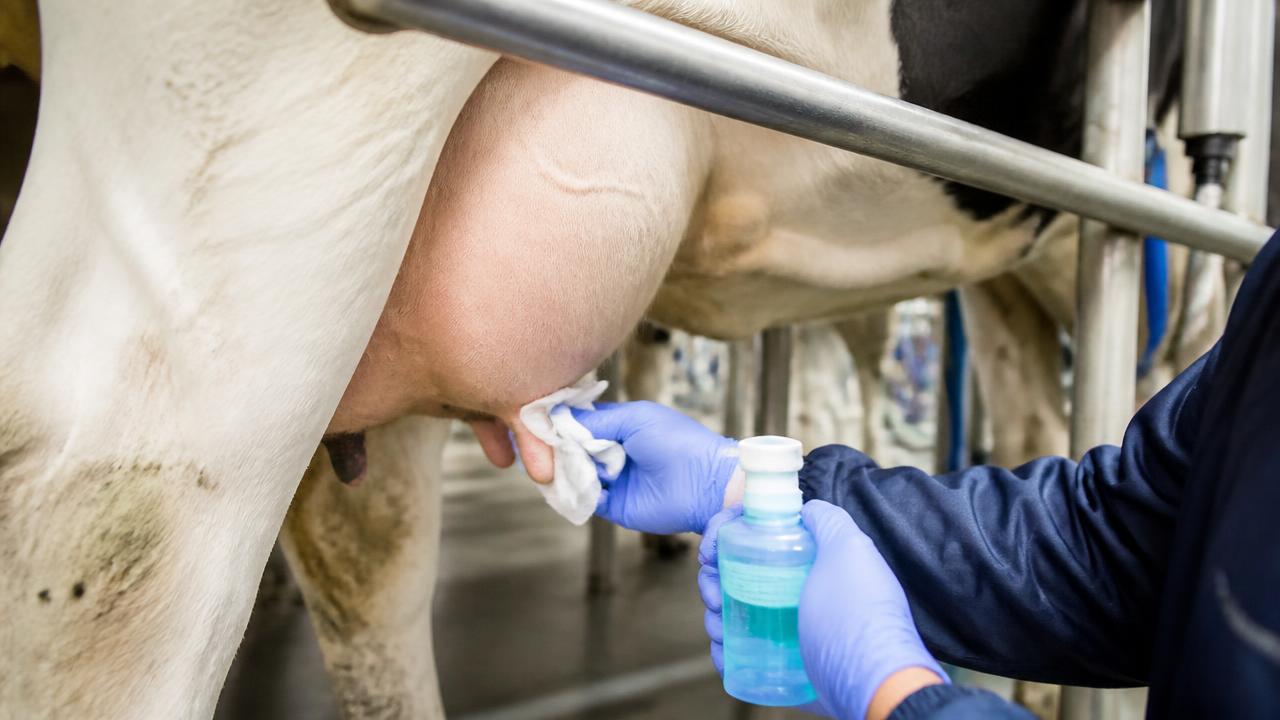
- Why the 1969 Five Point Plan still explains most herd differences
- Milking routine details that move bulk-tank SCC within one month
- Bedding, stall hygiene and the environmental pathogen load
- Selective dry-cow management as a herd-hygiene decision
More from this issue
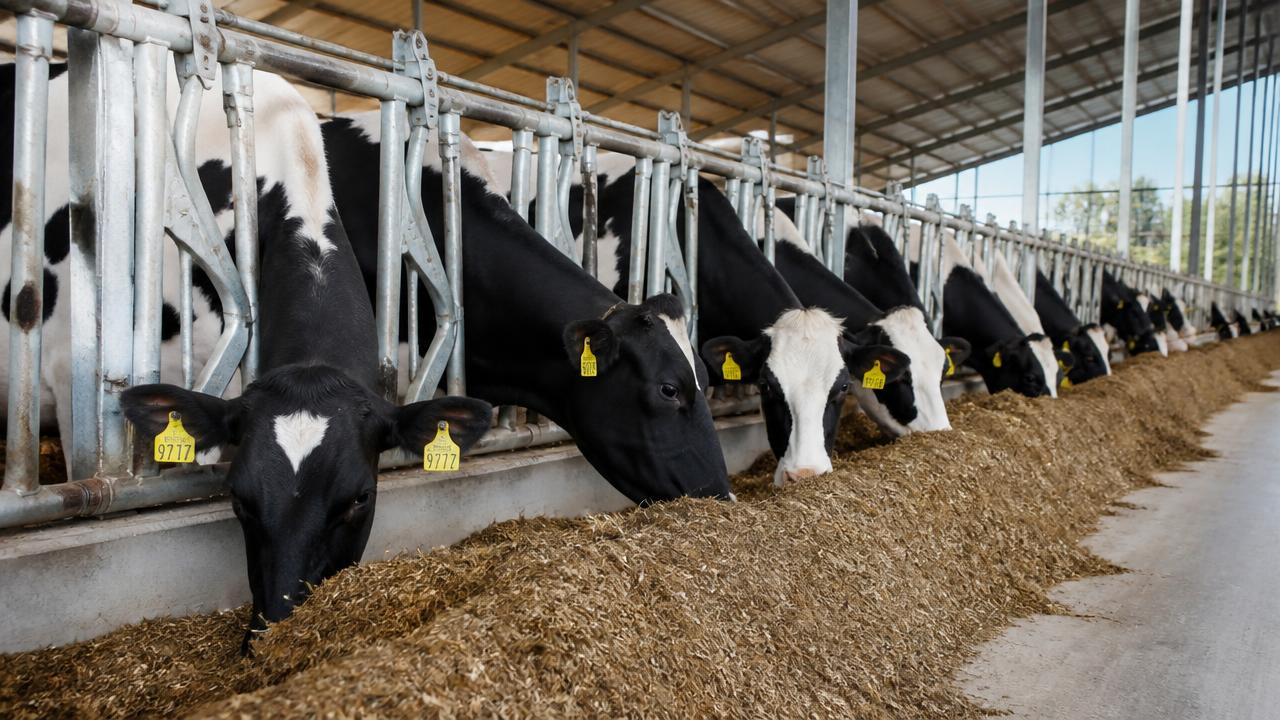
The transition period: managing intake, space and stability around calving
Three weeks either side of calving decide most of a cow's lactation. A review of the intake curve, pen-move stress and stocking density — and the monitoring routine that catches a struggling fresh cow before she becomes a case.
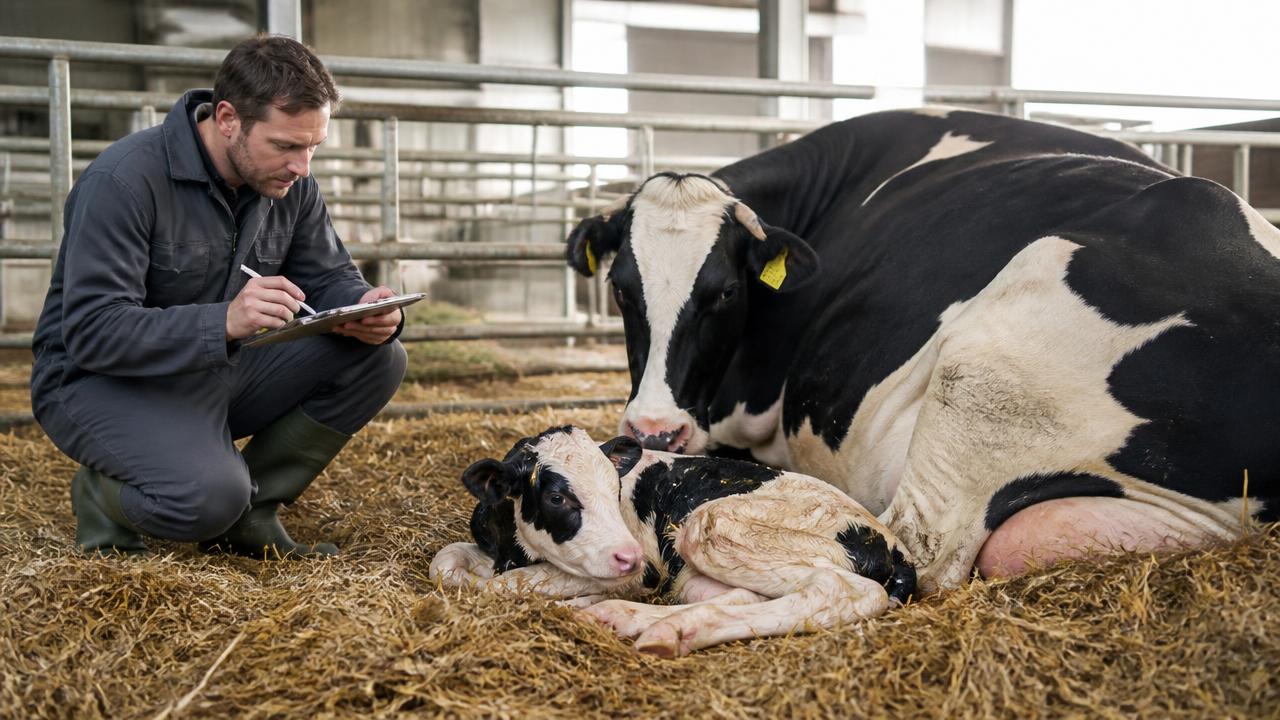
Mineral status around calving: DCAD strategy as a prevention programme
Subclinical hypocalcaemia is the quiet gateway disorder of early lactation. What four decades of dietary cation–anion difference research says about feeding the dry cow, and how to verify that a prepartum strategy is actually working.
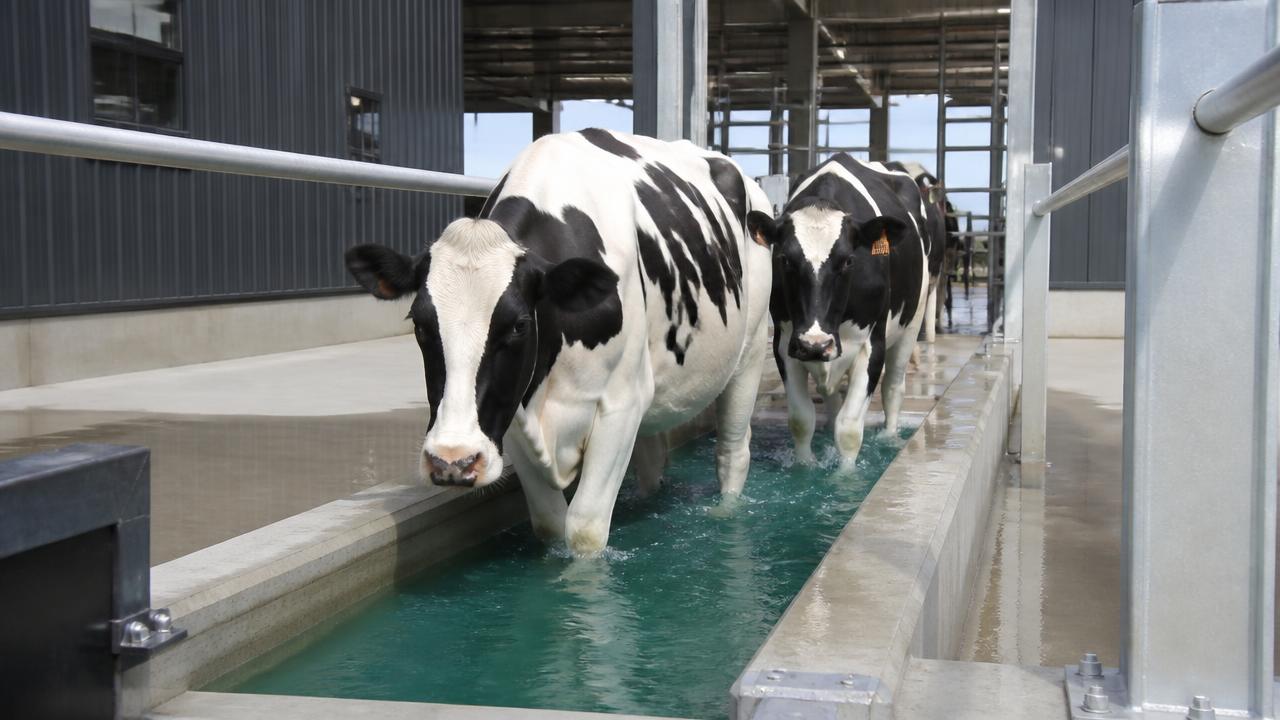
Infectious hoof health: hygiene, footbath design and the prevention loop
Digital dermatitis is an environmental hygiene problem expressed in the hoof. A review of alley cleanliness, footbath dimensions and the monitoring cadence that keeps prevalence low without escalating chemistry.
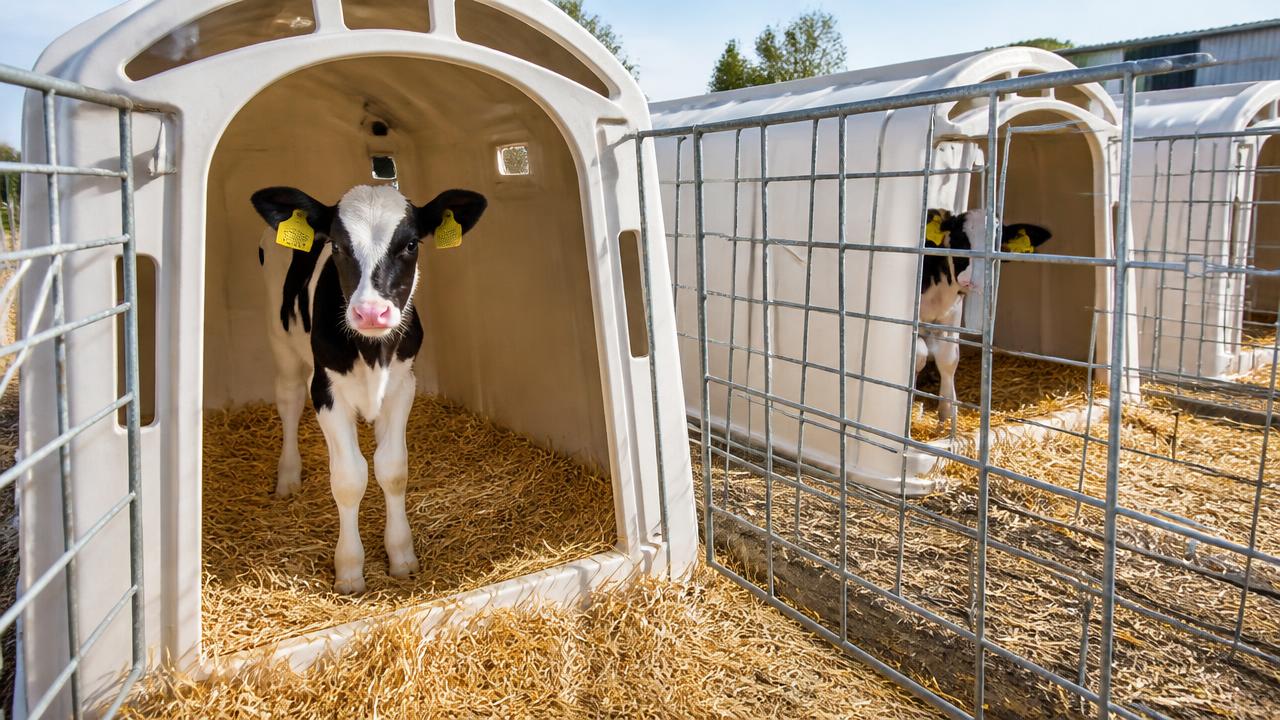
Calf health foundations: colostrum, air and bedding
Preweaning morbidity is decided in the first twelve hours and in the cubic metres of air above the calf. A practical review of passive transfer targets, ventilation design and nesting scores for the youngstock unit.

Antimicrobial stewardship: what the low-use countries did differently
The Netherlands, Denmark and Sweden cut veterinary antimicrobial use sharply without losing herd performance. A review of the structural changes — benchmarking, recording and prevention-first herd planning — that made it possible.
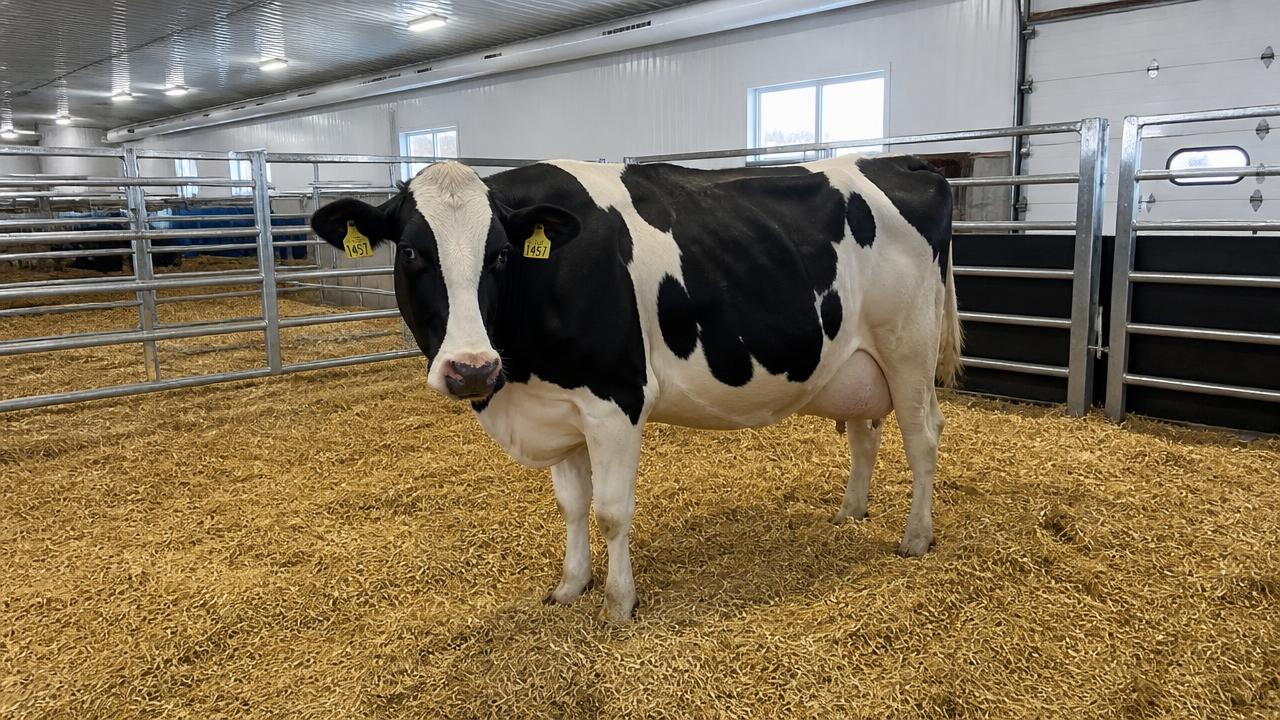
Postpartum uterine health: calving hygiene as reproductive management
Uterine health after calving is largely determined before calving — by intake, calving-pen hygiene and the discipline of when not to intervene. What the evidence says about protecting fertility through management.

Biosecurity as everyday good practice: what the research says works
Biosecurity fails not because farmers reject it but because it is designed as an ideal rather than a routine. A review of the practice-level evidence on entry control, animal introductions and internal hygiene — and how to score your own farm honestly.
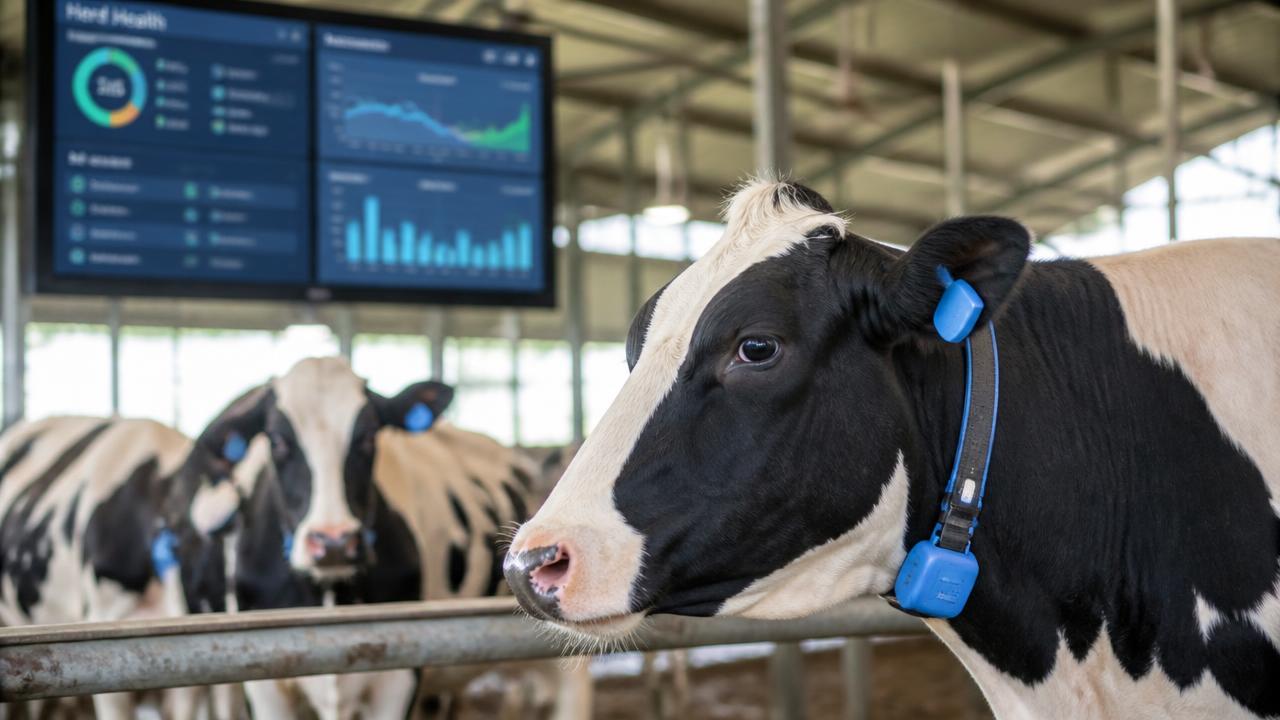
Sensors and early detection: turning rumination and activity data into prevention
Sensor systems detect deviation days before people do — but only where the farm has decided in advance what an alert means. A review of the validation evidence and a framework for building an alert protocol that does not get ignored.

The economics of herd health: costing prevention properly
Disease costs are dominated by the losses nobody invoices — lost milk, extended calving intervals, premature culling. A review of the published cost estimates and how to build a prevention budget that stands up to scrutiny.
July 2026 · Issue 1 · Dairy Welfare
Ten peer-informed articles on the science and practice of dairy cattle welfare — lying time, lameness, heat stress, cow–calf contact, pain management, enrichment, bedding, economics, history and international legislation.
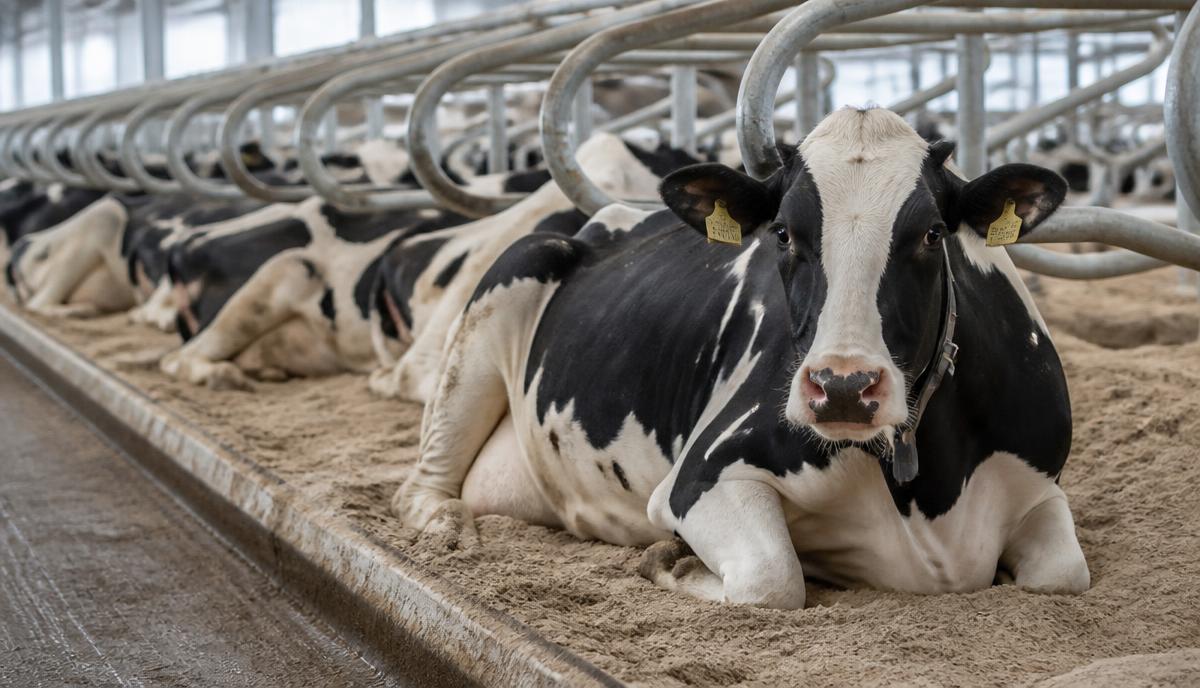
Lying time as the master welfare signal: what 12 hours really means
Lying time is the single most validated behavioural indicator of dairy cow welfare. A review of thresholds, measurement pitfalls and what recent accelerometer studies add to a 20-year evidence base.
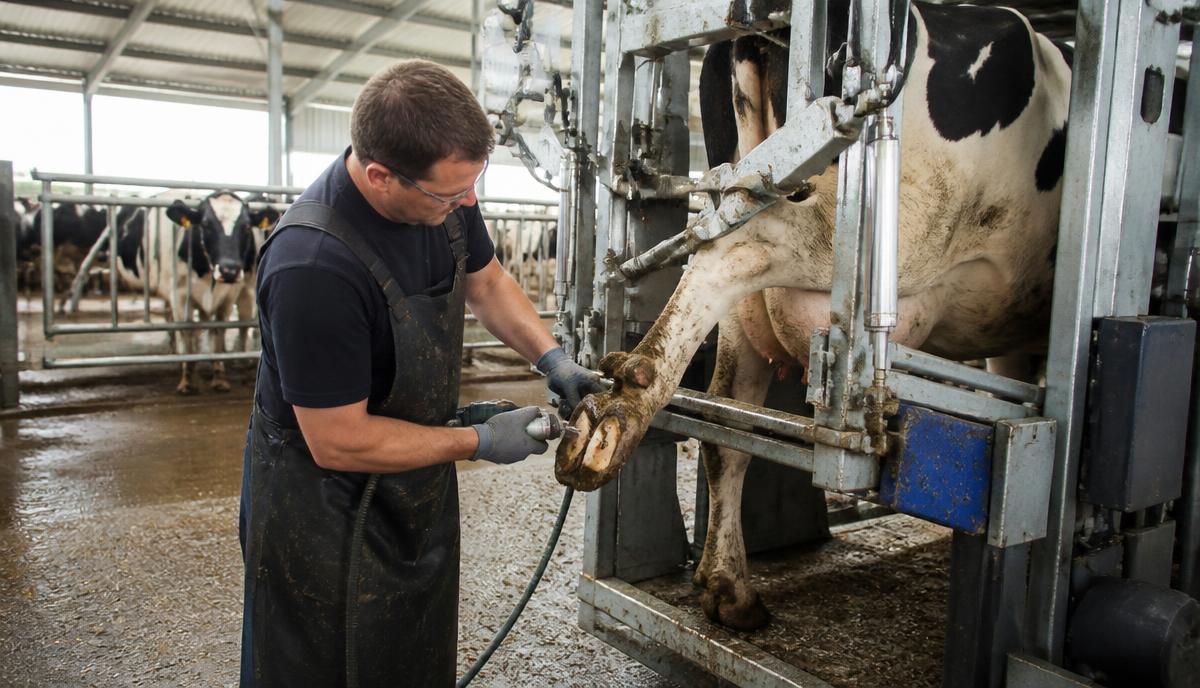
Lameness prevention: from prevalence audits to a functional-trimming calendar
Herd-level lameness above 20% is a system failure, not a hoof problem. Combining Sprecher-style locomotion scoring with modern claw-lesion epidemiology to build a preventive trimming schedule that actually holds.
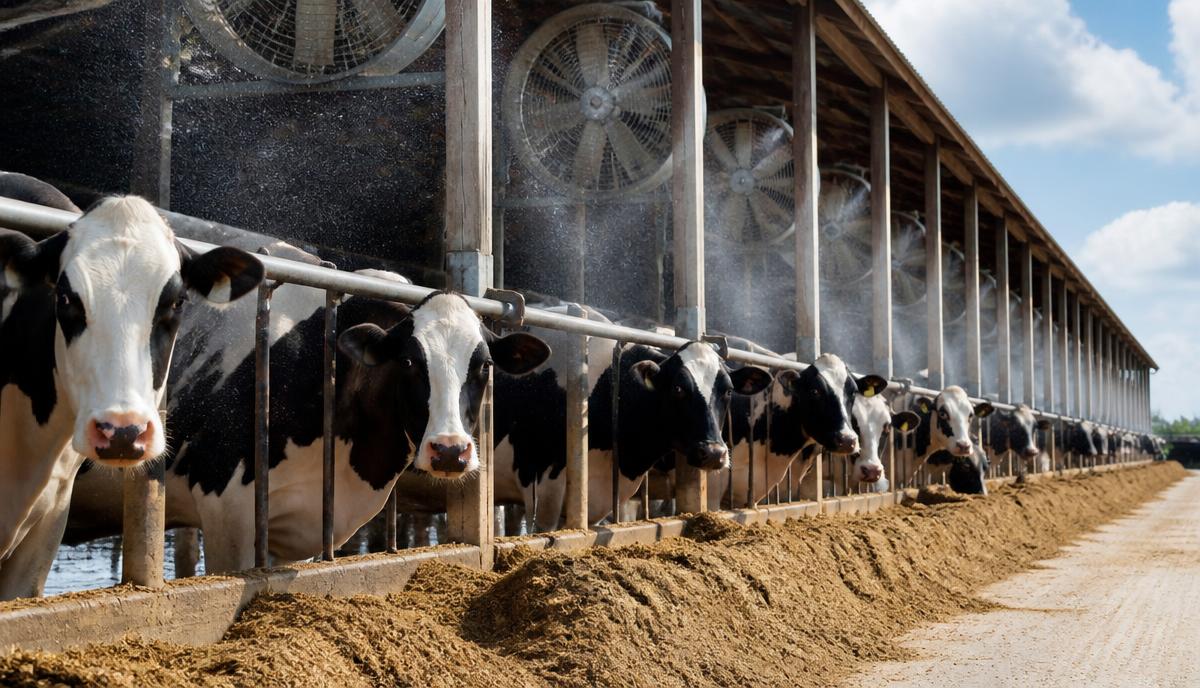
Heat stress is now a Northern European welfare problem
The THI-68 threshold sits well below the summer conditions Scandinavian and UK barns were designed for. Retrofit priorities that convert cooling spend into welfare and yield.
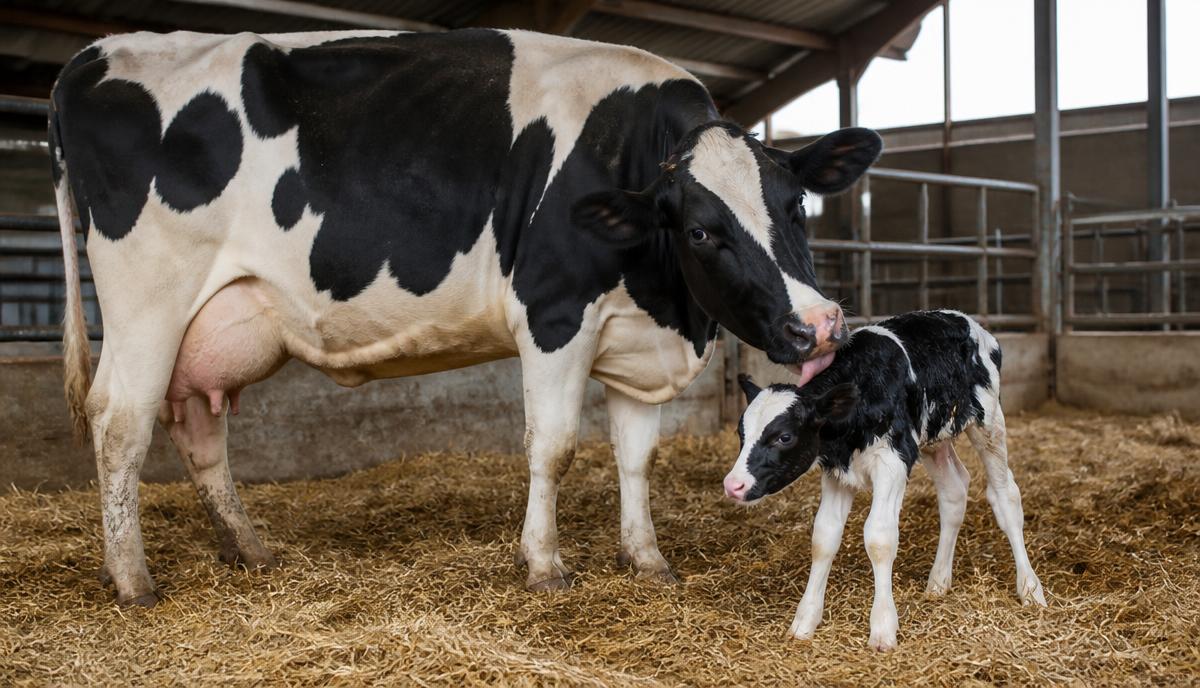
Cow-calf contact systems: what the evidence base actually says in 2026
Extended cow-calf contact has moved from a fringe question to an active research programme. What the current literature supports, what remains contested, and what the practical trade-offs look like in commercial herds.
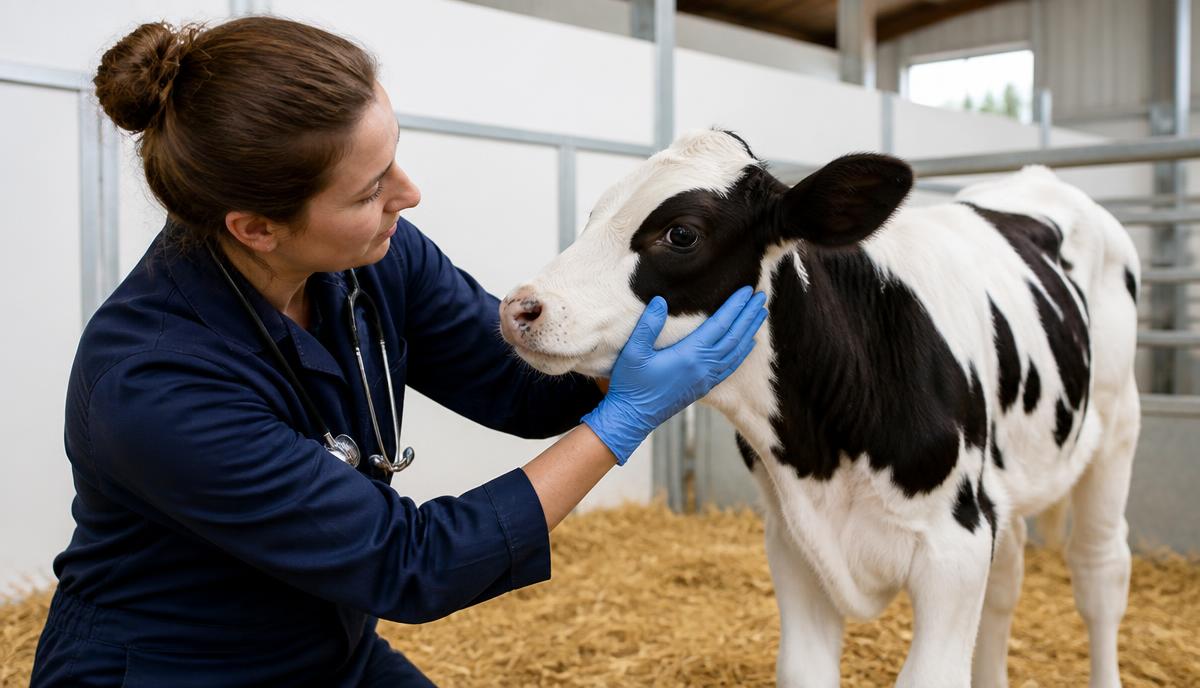
Pain management for disbudding: the current standard of care
Cornual nerve block plus NSAID plus sedation is now the evidence-based baseline for calf disbudding. A summary of the drugs, timing and monitoring that make it work on-farm.
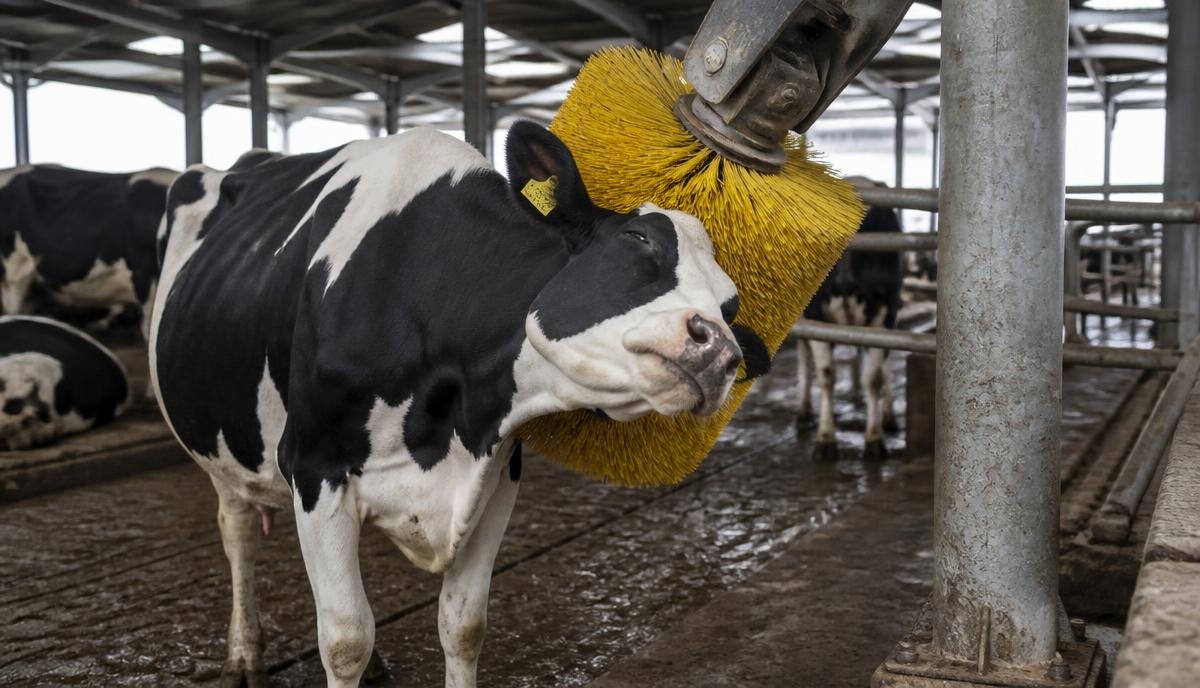
Environmental enrichment for dairy cows: beyond brushes and pasture
Mechanical brushes are now standard, but the enrichment literature has moved well beyond them. What the current evidence supports for cows, heifers and calves in intensive systems.
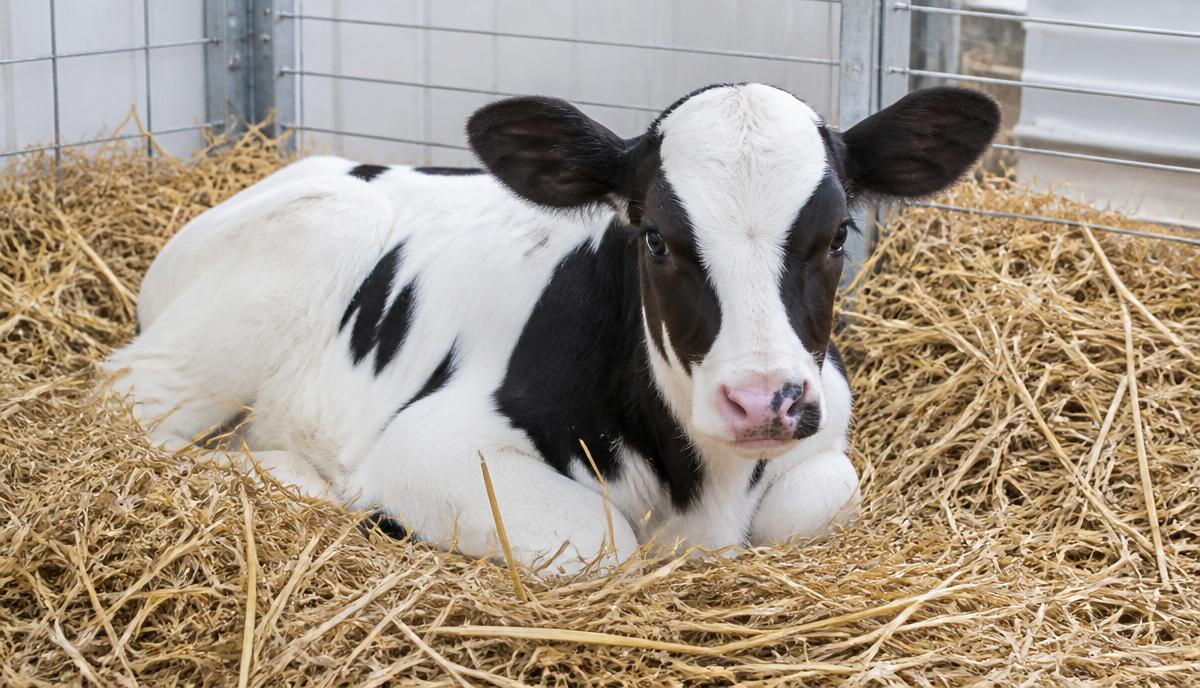
Calf bedding: the underrated determinant of pre-weaning welfare
Nesting score, dryness and thermal insulation drive calf morbidity more than most other pen-level factors. What the evidence supports for bedding type, depth and management.

The economics of dairy welfare: what pays back and what doesn't
Welfare investments are routinely framed as costs. The published economic literature tells a more nuanced story: several core interventions pay back within a lactation, while others require premium markets to justify.
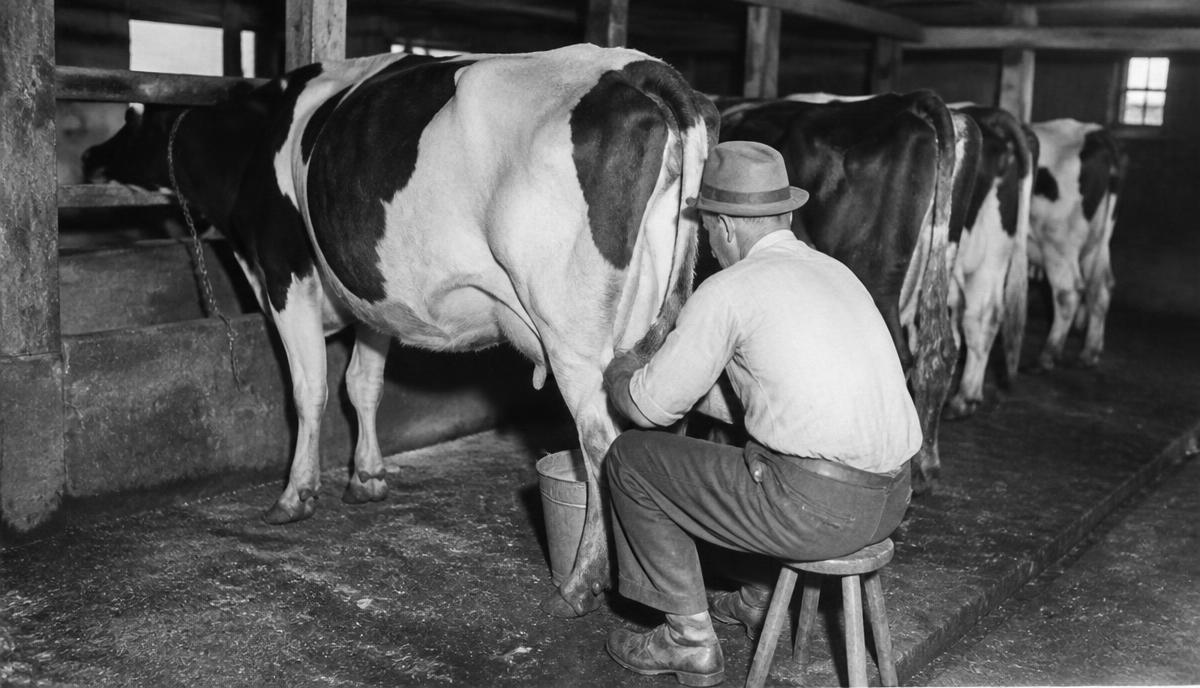
A short history of dairy welfare science: from Brambell to sensor-based assessment
Dairy welfare science is younger than most practitioners assume. Tracing the arc from the 1965 Brambell Report through the Five Freedoms, Five Domains and modern positive-welfare frameworks.
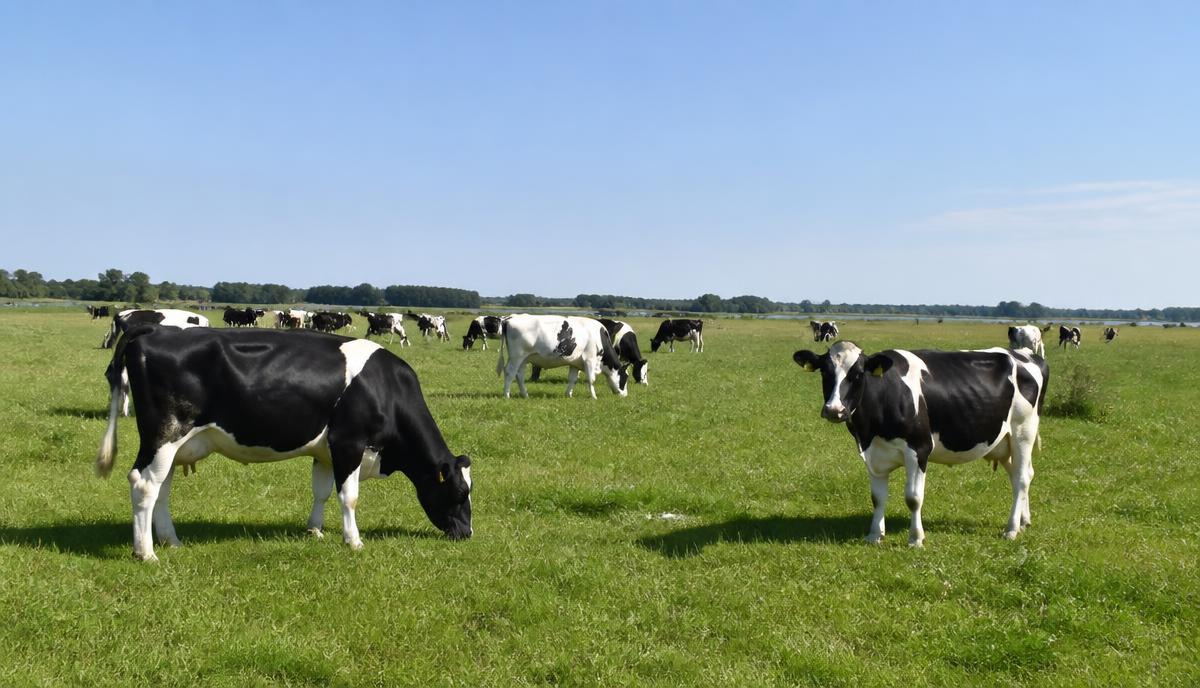
Dairy welfare legislation: an international comparison in 2026
EU, UK, US, Canadian, New Zealand and Nordic frameworks diverge sharply on tethering, disbudding, cow-calf contact and pasture access. A practitioner's map of the current legal baseline.