Why feed sampling matters: a ration is only as good as its analysis
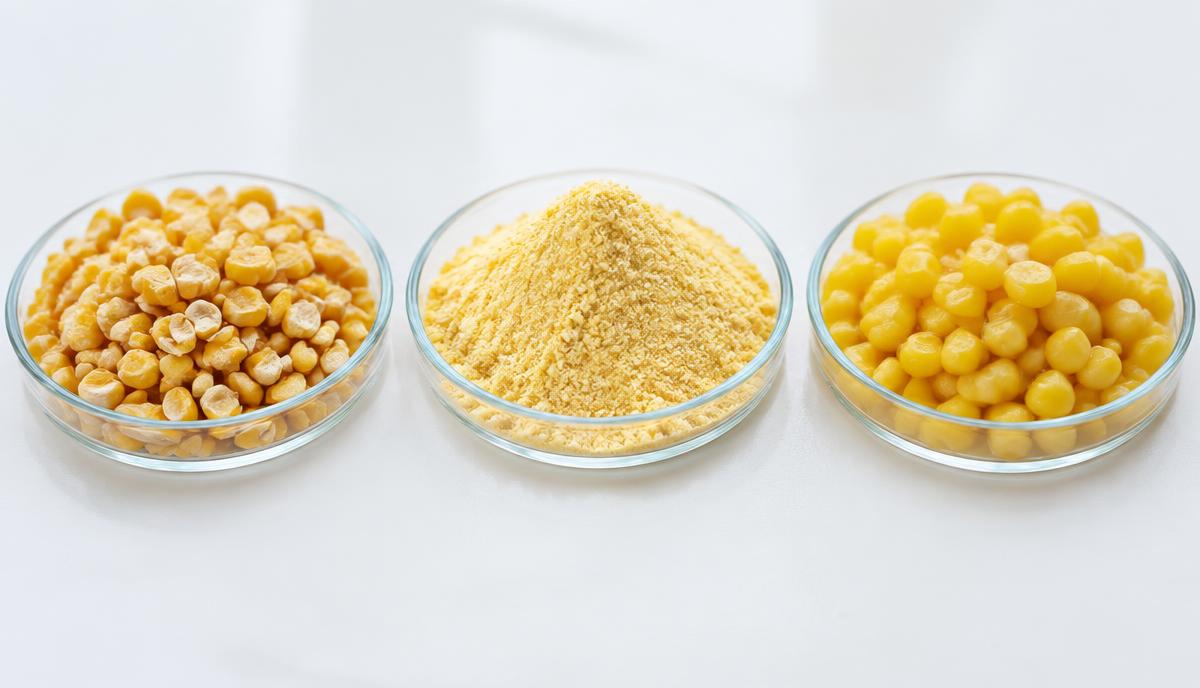
Rations are formulated from numbers. If the sample is wrong, the ration is wrong. A practical guide to representative sampling of silage, hay, concentrates and the mixed ration.
Bouvera Dairy Digest covers nutrition management principles only.
Feed analyses guide every ration change, yet the biggest source of error is usually how the sample was collected, not how the laboratory analysed it. St-Pierre and Weiss (2015) showed that variation in forage composition between and within batches can significantly change predicted nutrient supply.
Taking a representative sample
- Silage clamp: take several grab samples across the whole face after removal, mix, then subsample.
- Bales: use a core probe on 10–20 bales from the same lot.
- Concentrates: sample at delivery and keep a retained sample.
- TMR: collect from several points along the bunk right after feeding.
- Freeze or cool samples and send them quickly.
Dry matter — the most underrated test
Silage dry matter can shift after rain or when moving through a clamp. Because rations are mixed on an as-fed basis, a five-point drop in dry matter quietly cuts forage intake. A weekly on-farm dry matter check (microwave or air fryer method) keeps the ration on target.
NIR or wet chemistry?
Near-infrared (NIR) analysis is fast and cheap for routine forages; wet chemistry remains the reference for unusual feeds, minerals and calibration checks.
- St-Pierre, N. R., & Weiss, W. P. (2015). Partitioning variation in nutrient composition data of common feeds and mixed diets on commercial dairy farms. Journal of Dairy Science, 98(7), 5004–5015. https://doi.org/10.3168/jds.2015-9431
- Weiss, W. P., Shoemaker, D., McBeth, L. R., & St-Pierre, N. R. (2016). Within-farm variation in nutrient composition of feeds. Journal of Dairy Science, 99(8), 6216–6226. https://doi.org/10.3168/jds.2015-10812
- National Academies of Sciences, Engineering, and Medicine (2021). Nutrient Requirements of Dairy Cattle: Eighth Revised Edition. The National Academies Press. https://doi.org/10.17226/25806